
2026-08-21 · Alex Rivera
Spotting Ice Dam Damage After Spokane Winters
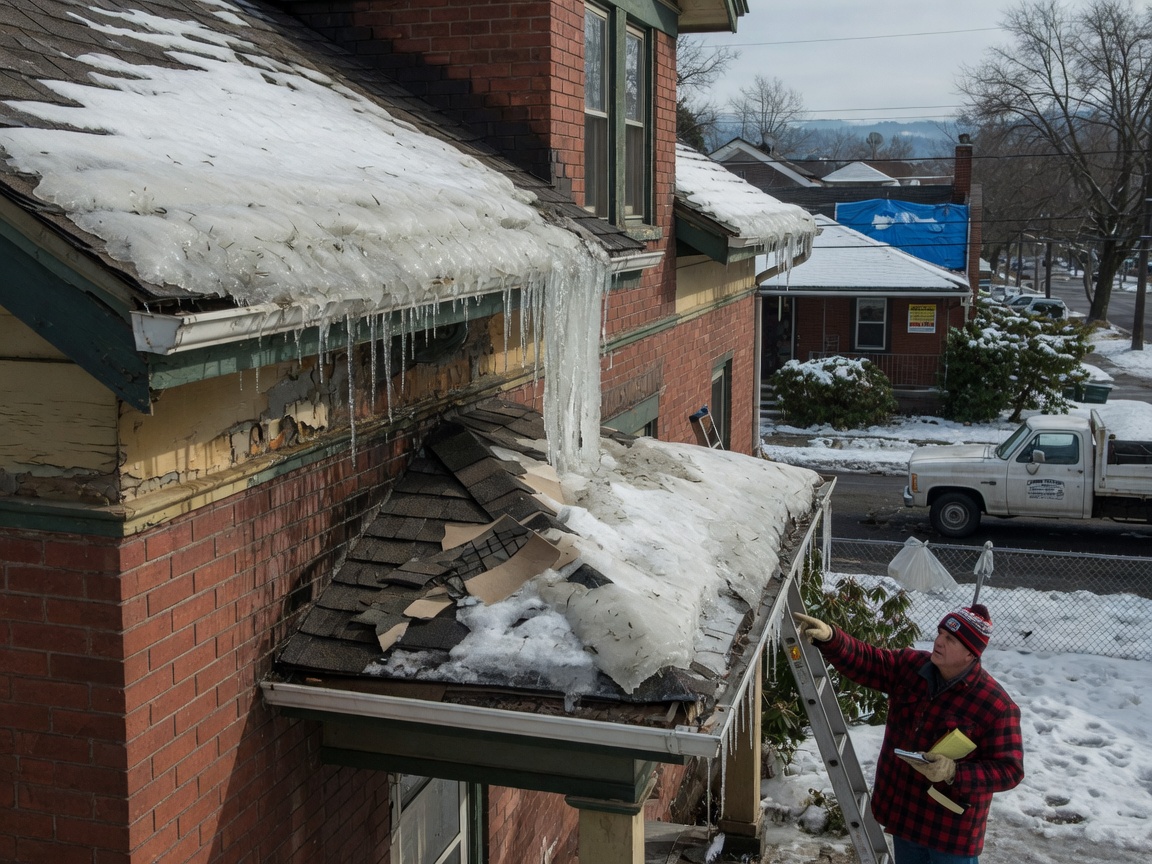
Spokane winters produce repeated freeze-thaw cycles that push melting snow under shingles at the eaves, creating visible damage within days of thaw. Homeowners in neighborhoods such as North Side and Downtown Spokane commonly find water stains along attic ceilings and lifted shingles at roof edges after these events.
Recognizing Water Intrusion in the Attic
Ice dams form when heat from the house melts snow on upper roof sections while lower edges stay frozen. In Spokane homes built before 1980, especially those in Browne's Addition and Lincoln Heights, inadequate attic insulation allows warm air to escape and accelerate this cycle. Walk the attic with a flashlight after the first major thaw and look for dark streaks on rafters or insulation that feels damp near the eaves. These stains often appear 2 to 4 feet inward from the exterior wall. Check for mold on wood sheathing, which develops within weeks when moisture sits trapped. Compare findings against the previous winter to note new locations. If stains align with second-floor ceilings, trace them back to the roof edge during daylight to confirm the source.
Checking the Roof Edges and Gutters
Examine the lower 3 feet of roof from the ground or a safe ladder position once snow clears. In Spokane's older stock around Emerson-Garfield and Cliff-Cannon, asphalt shingles may curl or separate where ice pushed upward. Look for granules collecting in gutters or on the ground below the eaves, a sign of shingle wear from repeated ice pressure. Gutters filled with ice chunks or showing dents indicate where water backed up and froze solid. Measure any gaps between shingles; separations wider than 1/4 inch usually require attention before the next snow load. Note that south-facing slopes in areas like Comstock thaw faster and show damage first, while north-facing slopes retain ice longer.
Understanding Spokane's Freeze-Thaw Impact on Homes
Spokane County experiences 30 to 50 freeze-thaw days each winter, with daytime highs above 32°F followed by nights dropping below 20°F. This pattern affects homes in Five Mile Prairie and Indian Trail where roof pitches and attic ventilation vary widely. Older single-story houses with limited soffit vents trap heat and create larger ice dams than newer construction. Soil conditions in the Spokane Valley also play a role; homes on slopes see faster runoff that refreezes at lower roof lines. These cycles shorten shingle lifespan by 3 to 5 years when left unaddressed. Track weather data from local stations to anticipate which winters will produce the most damage based on snowfall totals above 40 inches.
Steps to Assess and Address Damage
Start with an interior inspection after each thaw, then move outside once conditions allow safe access. Document all stains and shingle issues with photos that include dates. For persistent leaks, schedule a roof inspection that includes attic ventilation checks. When damage reaches multiple slopes, compare repair versus replacement options through what affects roof repair costs for Spokane homes. Owners in Downtown Spokane often need targeted ice dam removal followed by roof repair at the eaves. Re-check the attic after the next rain to confirm no new moisture appears. Consistent monitoring prevents small issues from requiring full roof replacement later.