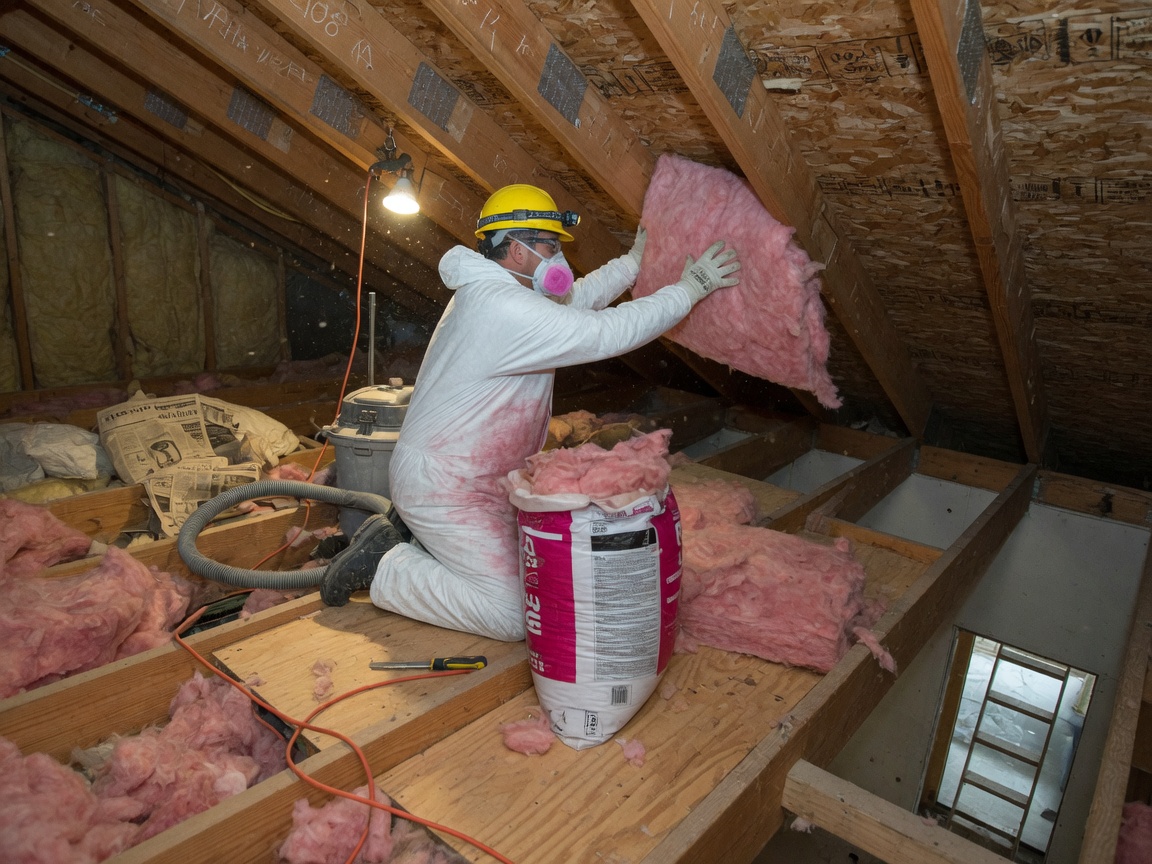
Attic insulation plays an important role in how a Spokane home handles winter cold, summer heat, and changing outdoor temperatures. When existing insulation is thin or uneven, adding insulation can help reduce heat transfer through the attic and support more consistent indoor temperatures. Homes in established areas such as Browne's Addition may have older attic assemblies where insulation levels and ventilation should be checked together before additional material is installed.
Before adding insulation, the attic should be checked for moisture concerns, damaged areas, compressed insulation, and ventilation conditions. Adding insulation over an existing layer may be appropriate when the current material is dry and in usable condition. If the attic has inadequate airflow, an attic ventilation upgrade may need to be considered so added insulation does not interfere with the roof system's ventilation path.
Moisture and temperature problems can also affect roofing materials from below. Poor insulation combined with inadequate ventilation can contribute to condensation, uneven attic temperatures, and conditions that may shorten the life of roofing materials. When roofing concerns are already present, an annual roof inspection can help identify problems on the roof while the attic is being evaluated. For homes where existing insulation is badly deteriorated or insufficient, an attic insulation upgrade may provide a more complete improvement than simply adding material over the existing layer.
The right insulation approach depends on the existing attic condition, available space, ventilation, and the home's construction. We focus on identifying the areas that need additional coverage and making sure the work works with the existing roof and attic system. Properties in Comstock and other Spokane neighborhoods can benefit from an attic evaluation when uneven temperatures, high heat loss, or visible insulation gaps become noticeable.
Technician insight
In Spokane the thing that catches most people out with attic insulation addition is how quickly snow melt creates condensation against the roof deck if baffles are missing; older South Hill homes with shallow attics often need extra ridge venting installed at the same time or the new insulation ends up holding moisture all winter.
South Hill Attic Upgrade
Homeowner noticed high heating bills and ice dams along the eaves after heavy snow. We found settled fiberglass over knob-and-tube wiring and blocked soffit vents. After air sealing, adding blown cellulose to R-49, and installing new baffles plus ridge vent sections, the attic stayed dry and heating loads dropped noticeably the next winter.
Attic Insulation Addition Services We Offer
✓Blown-In Cellulose Addition
Fills gaps in existing attics to boost R-value without disturbing roof structure in Spokane's older homes.
✓Batt Insulation Upgrade
Replaces thin or compressed batts with higher-density material suited to cold Spokane winters.
✓Attic Air Sealing Before Insulation
Seals penetrations around pipes, wires, and lights so added insulation performs at full rated value.
✓Ridge Vent and Baffle Installation
Improves attic airflow to prevent moisture buildup under Spokane's snow loads after insulation is added.
✓Knee-Wall Insulation in Finished Attics
Insulates vertical walls in bonus rooms common in Spokane split-level homes to reduce heat loss.
Attic Insulation Addition Cost in Spokane, WA
| Service | Typical Range | What Affects It |
|---|---|---|
| Blown-in cellulose addition | $1,200–$2,800 | Depends on square footage and depth needed |
| Batt upgrade in accessible attic | $900–$2,100 | Varies with R-value increase and wiring obstacles |
| Air sealing plus insulation | $1,500–$3,200 | Includes sealing work before new material |
| Ridge vent and baffle add-on | $450–$950 | Required when existing venting is inadequate |
Ranges are typical for Spokane, WA and confirmed with an exact written quote before any work starts.
How it works
- 1
Attic Assessment
Inspect existing insulation depth, ventilation, and moisture issues in your Spokane attic.
- 2
Material Selection
Choose cellulose or fiberglass based on access, wiring, and desired R-value for local climate.
- 3
Air Sealing And Prep
Seal bypasses and install baffles to protect roof deck before adding insulation.
- 4
Insulation Installation
Blow or lay new material to uniform depth while maintaining ventilation channels.
- 5
Final Inspection
Verify coverage, ventilation, and attic access points meet code and performance goals.
Pricing
Pricing varies by attic size, access difficulty, and existing insulation condition; we provide upfront quotes after inspection.