
2026-08-21 · Alex Rivera
How to Inspect Your Roof for Wind Damage in Spokane
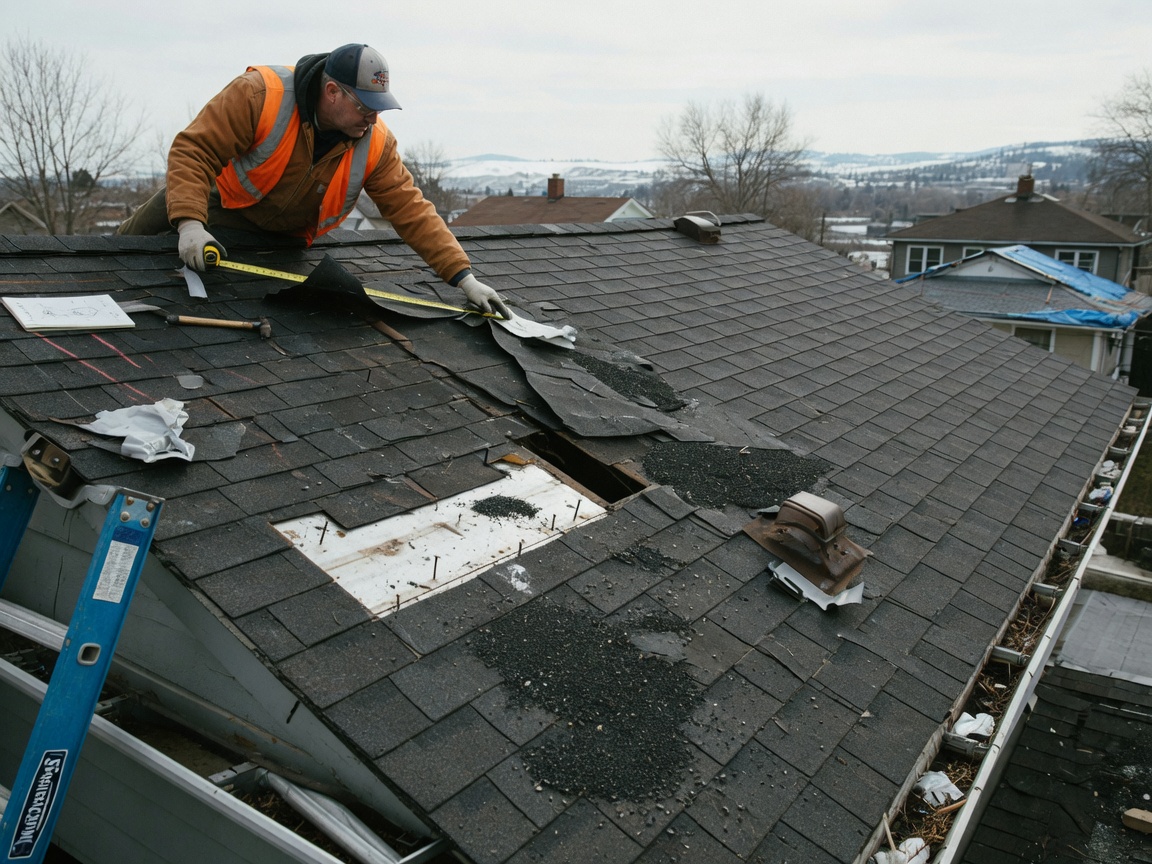
Spokane winds often reach 30-40 mph during spring and fall storms, loosening asphalt shingles and tearing at flashing on homes built before 1980 in neighborhoods such as Browne's Addition and Manito. Begin your inspection from the ground with binoculars on a clear day, looking for missing shingles, lifted edges, or granules collecting in gutters. Move to the attic to check for daylight spots or displaced insulation near the eaves. Finish with a close look at ridge vents and chimney flashing where wind typically enters first.
Visible Exterior Signs of Wind Damage
Walk around the property and scan the roof slope facing prevailing winds from the southwest. Count any missing or torn shingles; even three or four on a single plane can signal broader uplift. Check the ridge cap for lifted sections and look for exposed nail heads where wind has worked the fasteners loose. In Spokane's older stock, especially 1920s-1950s homes in Cliff-Cannon and East Central, pay extra attention to the transition where the main roof meets a porch addition. Granule loss concentrated in one area often points to repeated wind abrasion rather than age alone. Note any dented or displaced gutters, which can indicate debris impact during high-wind events.
Attic Inspection Steps
Enter the attic on an overcast day so sunlight through the deck is easier to spot. Run a flashlight along the underside of the sheathing, starting at the eaves and moving toward the ridge. Look for water stains on rafters or felt paper that has pulled away from the decking. In Spokane homes with limited attic ventilation, wind-driven rain often enters through small gaps created when shingles lift, so check insulation for damp spots near the exterior walls. Push gently on suspect decking boards; soft spots mean the wind has allowed moisture to reach the plywood. Photograph any findings with a phone timestamp before leaving the attic.
Spokane-Specific Wind Vulnerabilities
Spokane's open terrain and river corridors funnel gusts across neighborhoods like Five Mile Prairie and North Hill, increasing uplift on south- and west-facing slopes. Homes with original cedar shingles or early asphalt layers suffer more because the fasteners have fatigued over decades. Tree-lined streets in Comstock and Rockwood provide some shelter, yet sudden downdrafts around mature pines can still dislodge ridge shingles. Ice buildup from prior winters can weaken underlayment, making wind damage appear after the first strong March storm. These patterns explain why many Spokane roofs need targeted repairs rather than full replacement after a single wind event.
When Professional Assessment Is Needed
If you find more than a dozen damaged shingles, daylight in the attic, or sagging decking, schedule a storm damage assessment rather than attempting repairs from a ladder. Local crews familiar with Spokane's wind patterns can distinguish between wind uplift and normal wear on 30-year shingles. They also know which neighborhoods require extra flashing reinforcement because of consistent southwest exposure. After assessment, many homeowners choose wind damage repair that matches existing shingles instead of waiting for a full roof replacement.
Next Steps After Inspection
Document everything with dated photos and notes on location and quantity of damage. Compare findings against your insurance policy deductible before filing a claim. If the roof is otherwise sound, targeted fixes often restore performance without replacing the entire surface. For ongoing peace of mind, add an annual roof inspection to your spring routine so small wind issues are caught before they become leaks. Homeowners in Spokane who track these details usually extend roof life by several seasons even in gusty years. Review typical repair cost factors to understand how wind damage scope influences pricing in the current market.