
2026-09-24 · Alex Rivera
How to Prevent Roof Leaks During Spokane’s Heavy Rain and Snowmelt
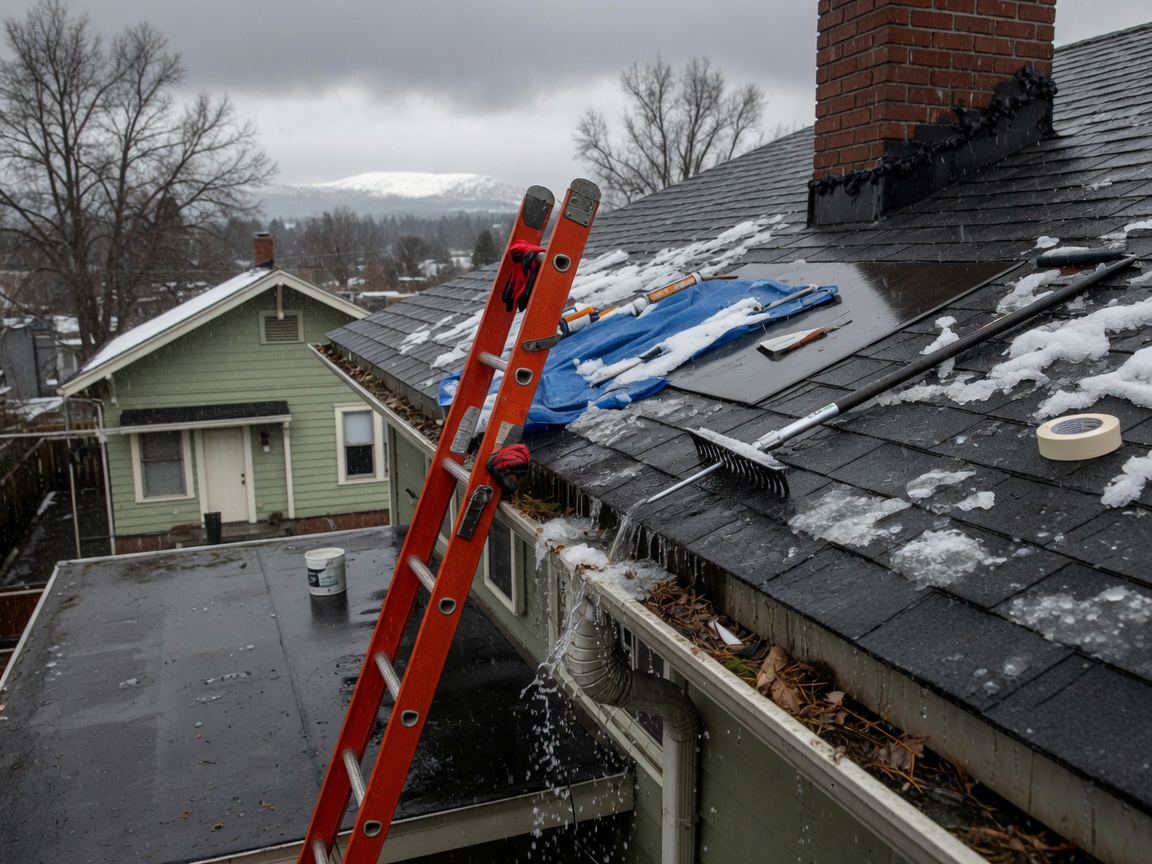
Spokane homeowners can prevent most roof leaks during heavy rain and snowmelt by clearing gutters before November, adding attic ventilation where soffits are blocked, and scheduling an inspection for flashing around chimneys and valleys by mid-October. These steps address the freeze-thaw cycles common in Spokane County that force water under asphalt shingles on homes built between 1920 and 1970 in neighborhoods like Browne's Addition and Emerson-Garfield.
Clear Gutters and Downspouts Before Freeze-Up
Spokane receives its heaviest rain in October and November followed by snow that melts in March and April. Leaves from maple and cottonwood trees along streets in the North Side and Lincoln Heights clog gutters and allow water to back up under the first course of shingles. Clean gutters at least twice each fall and check that downspouts discharge at least six feet from the foundation. Homes on steeper lots in Five Mile Prairie see faster runoff, so add gutter guards only after confirming the existing hangers can support the added weight without pulling away from the fascia.
Remove Ice Dams Early Each Winter
Ice dams form along eaves when attic heat melts snow that refreezes at the roof edge. In Spokane this happens most often on north-facing slopes of older homes in Cliff-Cannon and Manito where insulation is thin. Use a roof rake after every heavy snowfall to clear the bottom three feet of the roof. For persistent dams, ice dam removal crews use steam rather than salt or chopping that damages shingles. Pair this with checking that bathroom and dryer vents are not dumping warm air directly into the attic space.
Upgrade Attic Ventilation and Insulation
Many Spokane homes from the 1950s and 1960s in the Nevada-Lidgerwood and Logan neighborhoods have soffit vents blocked by insulation or paint. Add or enlarge ridge and soffit vents to maintain at least one square foot of net free area per 150 square feet of attic floor. In the same project, bring attic insulation to R-49 depth using blown cellulose that fills around existing batts without compressing them. Better airflow keeps the roof deck closer to outdoor temperature and reduces the melt-refreeze cycle that drives leaks at nail penetrations and pipe boots.
Inspect and Seal Flashing Around Penetrations
Valleys, chimneys, and skylights are the most common entry points for snowmelt on Spokane roofs. Check step flashing on brick chimneys common in East Central and Rockwood for gaps wider than a nickel. Replace deteriorated lead or step flashing before the first hard freeze. Roof maintenance visits each October catch these issues while the roof is still dry. Pay special attention to the transition where a lower roof meets a wall on split-level homes found throughout the South Hill.
Schedule a Fall Roof Inspection
A professional inspection before winter identifies missing granules, lifted shingles, and deteriorated underlayment on homes in Spokane's older stock. Walk the roof only when dry and look for soft spots from the attic side after a rain. Readers can continue with details on spotting hidden damage in Spotting Ice Dam Damage After Spokane Winters. Address small repairs such as roof leak repair immediately rather than waiting for spring runoff to turn them into larger problems.